


Are Cavalier King Charles Spaniels Good With Strangers?

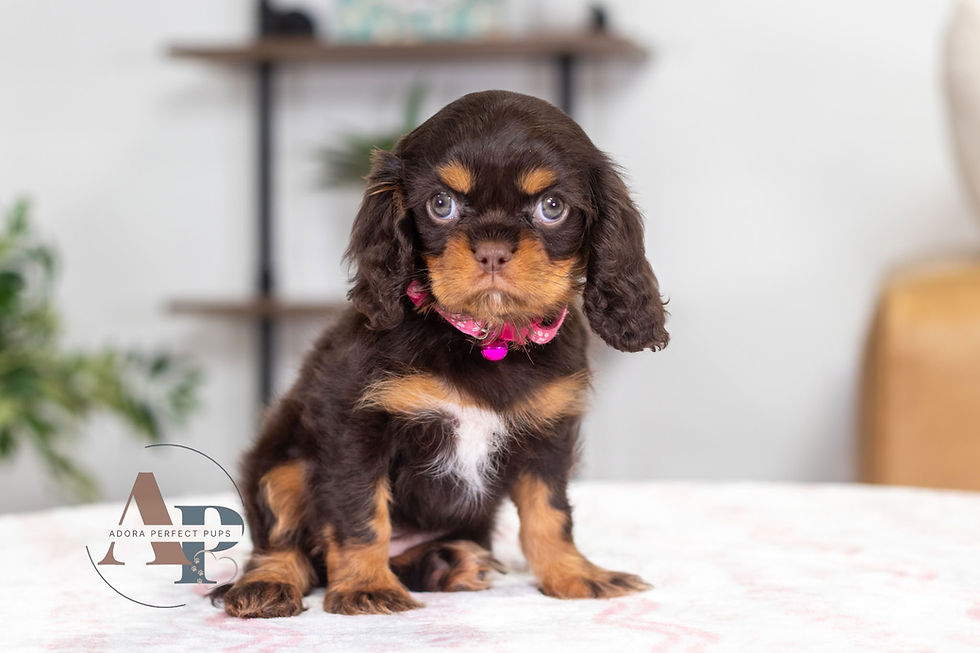
When choosing a dog, many people wonder how the breed will behave around visitors, neighbors, and unfamiliar faces. Some dogs are naturally reserved or protective, while others are welcoming and social. If you are considering a Cavalier King Charles Spaniel, understanding how they interact with strangers is an important part of setting expectations.
At Adora Perfect Pups, one of the most consistent traits we observe in Cavaliers is their friendliness toward people they have never met before. Cavaliers are not known for suspicion or aggression. Instead, they tend to approach new people with curiosity, calmness, and warmth.
That said, like all breeds, their behavior is influenced by temperament, environment, and early experiences.
This guide explores how Cavalier King Charles Spaniels typically behave around strangers, why they are so socially comfortable, and what owners can do to encourage confident, well-mannered interactions.
The Natural Temperament of Cavaliers Around People
Cavalier King Charles Spaniels were bred to be companion dogs, and their temperament reflects that purpose. Unlike breeds developed for guarding or protection, Cavaliers were designed to stay close to humans and enjoy social interaction.
Because of this background, Cavaliers are generally:
Friendly rather than suspicious
Calm rather than reactive
Curious rather than defensive
Their default response to strangers is usually interest, not fear. This makes them one of the more socially approachable breeds, especially in everyday household settings.
Why Cavaliers Tend to Be Friendly With Strangers
Several factors contribute to why Cavaliers are so comfortable around unfamiliar people.
Companion-Based Breeding
Cavaliers were bred for companionship, not territorial behavior. Their role was to remain close to people in social environments, often surrounded by guests and activity. This history shaped a temperament that values connection over caution.
Emotional Intelligence
Cavaliers are emotionally intuitive. They read tone, body language, and energy quickly. When strangers approach calmly, Cavaliers usually respond in kind.
Low Territorial Instincts
Unlike guard-oriented breeds, Cavaliers do not feel responsible for protecting territory. This reduces defensive barking, growling, or avoidance behaviors around visitors.
Typical Behavior When Meeting New People
When a Cavalier meets someone new, their behavior often follows a predictable pattern.
Many Cavaliers will:
Observe briefly
Approach slowly but confidently
Accept attention easily
Remain relaxed during interaction
Some Cavaliers may greet strangers enthusiastically, while others prefer a quieter introduction. Both responses are normal and reflect individual personality rather than fear or aggression.
Cavaliers in Homes With Frequent Visitors
Cavaliers do especially well in homes where visitors are common. Their calm, friendly demeanor helps them adapt easily to guests coming and going.
In social households, Cavaliers often:
Settle quickly after greetings
Move between guests comfortably
Remain relaxed during gatherings
This makes them an excellent choice for families who host friends, relatives, or events regularly.
At Adora Perfect Pups, we consistently see Cavaliers thrive in environments where social interaction is part of daily life.
How Cavaliers React to Unfamiliar Environments
Being good with strangers also means being comfortable in new settings. Cavaliers tend to handle unfamiliar places with confidence, especially when their owner is present.
They are generally comfortable in:
Vet offices
Grooming salons
Pet-friendly stores
Outdoor public spaces
Their trust in their people helps them feel secure, even when surrounded by unfamiliar faces.
Cavaliers and Children They Don’t Know
Cavaliers are typically gentle and patient with children, even those they have not met before. Their calm temperament allows them to tolerate excitement and noise better than many small breeds.
That said, supervision is always important. Cavaliers respond best to respectful handling and calm introductions, especially with younger children.
When interactions are guided appropriately, Cavaliers usually respond with patience and friendliness rather than fear.
Are Cavaliers Ever Shy With Strangers?
While Cavaliers are generally friendly, not every individual dog will greet strangers the same way. Some Cavaliers may be slightly reserved, especially during their first encounter.
This can happen if:
The dog is naturally more introverted
The environment is overwhelming
The dog is still young or adjusting
Shyness in Cavaliers is usually mild and temporary. With reassurance and time, most warm up quickly and become comfortable.
The Role of Early Socialization
Early socialization plays a key role in shaping how Cavaliers interact with strangers throughout their lives.
Positive early exposure helps Cavaliers:
Build confidence
Learn appropriate social cues
Feel comfortable in new situations
Socialization does not mean overwhelming a puppy with constant interaction. Instead, it involves calm, controlled exposure to different people, environments, and experiences.
At Adora Perfect Pups, we emphasize balanced socialization that supports confidence without overstimulation.
Cavaliers Compared to Other Breeds With Strangers
Compared to many other small breeds, Cavaliers are notably more welcoming.
They are generally:
Less reactive than alert-focused breeds
Less territorial than protective breeds
More emotionally open than independent breeds
This makes Cavaliers a strong choice for people who want a dog that feels approachable rather than guarded.
Why Cavaliers Are Not Good Guard Dogs
Because Cavaliers are friendly with strangers, they are not well-suited for guarding or protection roles.
They may:
Alert briefly to someone arriving
Show curiosity rather than suspicion
Accept new people quickly
For owners seeking a watchful or defensive dog, Cavaliers may not meet that need. However, for those prioritizing a calm, welcoming companion, this trait is a major advantage.
Managing Greetings and Boundaries
Even friendly dogs benefit from learning polite greeting behavior. Cavaliers are no exception.
Owners can support good manners by:
Encouraging calm introductions
Rewarding relaxed behavior
Teaching basic cues like sit or stay
This helps ensure that friendliness does not turn into jumping or overexcitement.
Cavaliers in Public and Social Settings
Cavaliers are often comfortable in public spaces where strangers are present. Their calm demeanor helps them remain relaxed in busy environments.
They typically:
Walk politely on leash
Respond well to guidance
Remain focused on their owner
This makes outings more enjoyable and less stressful.
Can Cavaliers Become Overly Friendly?
While rare, some Cavaliers may be overly enthusiastic with strangers if boundaries are not taught early. This is usually easy to manage with gentle training.
Teaching Cavaliers to:
Pause before greeting
Look to their owner for cues
Settle after introductions
helps balance friendliness with good manners.
Strangers and Emotional Sensitivity
Cavaliers are emotionally sensitive dogs. They often mirror the energy of the people around them.
Calm, respectful strangers usually receive calm, friendly responses. Loud or abrupt behavior may cause a Cavalier to pause or retreat briefly, which is a healthy response rather than fear.
Are Cavaliers a Good Choice If You Entertain Often?
Yes, Cavaliers are an excellent choice for households with frequent visitors.
They are especially well-suited for:
Social families
Homes with regular guests
People who enjoy hosting
Their ability to remain relaxed and friendly makes social situations smoother for everyone involved.
Common Myths About Cavaliers and Strangers
One common myth is that Cavaliers are overly trusting or naive. In reality, they are socially confident, not careless.
Another misconception is that friendliness equals lack of intelligence. Cavaliers read situations well and respond appropriately based on tone and environment.
Is a Cavalier Right for You if You Want a Friendly Dog?
If you value a dog that is welcoming, calm, and socially comfortable, Cavaliers are an excellent choice.
They are ideal for owners who want:
A dog that greets guests politely
Minimal stress during social interactions
A friendly, approachable companion
They may not be ideal for those seeking a protective or aloof breed.
Final Thoughts on Cavaliers and Strangers
Cavalier King Charles Spaniels are widely known for being good with strangers, and that reputation is well-earned. Their friendly temperament, emotional intelligence, and companion-focused nature make them one of the most socially comfortable breeds available.
At Adora Perfect Pups, we see Cavaliers interact with new people daily, and their calm curiosity and warmth consistently stand out. When raised with balanced socialization and consistent routines, Cavaliers grow into confident, well-mannered dogs who handle strangers with ease and grace.


